Growing things. Noticing things.
On soil, solitude, and what restoration actually looks like.

Hello dear readers from a soft Autumn in the Hunter Valley NSW Australia.
Our weather is in that “in between” stage.
Mornings are cold on the nose and a few more centimetres under the covers.
Days inch up into the 20’s (celsius).
Warm enough for bare arms, not legs.
Mornings begin by throwing back flannelette covers, stepping out of my verandah bedroom, a flick of the kettle switch and a barefoot wander to the garden.
Compost bucket from under the sink swinging from my hand.
Any gathered water in the bucket is poured gently on whichever bed needs it most.
Today’s refreshment was for the tiny Brussels sprouts seeds pressed onto fresh compost a few days earlier.
Nestled amongst tomato plants still valiantly producing their tiny orbs of deliciousness despite shorter, cooler days.
I pad between rows to the compost and tip the solid remnants of the bucket on top.
Stalks and calyxes popped from the tops of tomatoes. Rainbow peelings of carrots and beetroot. Bread ends gone stale in the fridge. If it came from the ground, it goes back to the ground.
At this point, if my day is full, I return to the kitchen, make the coffee and begin.
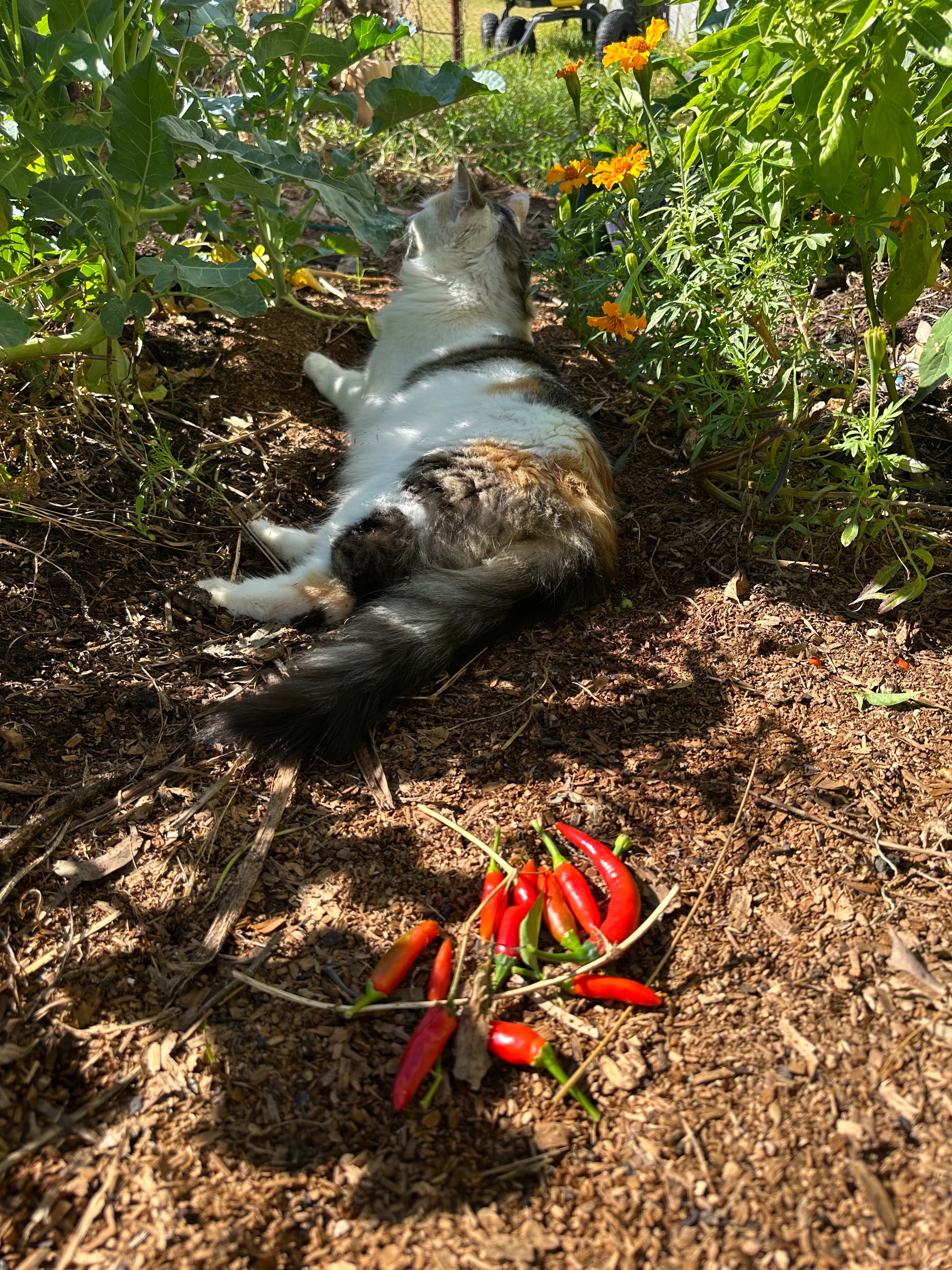
More often than not (actually even if my day is full), I wander up and down each row. Plucking ripe chilli, collecting them into the pockets of my tracksuit pants.
Marvelling at the shapes and textures of bulging eggplants.
Next thing, I’m on my haunches. Examining the understory. Peeling back layers of leaf litter. Watching for worms. Critters.
When you get down low, you see the tiniest of the tiny. Busily going about their business. Moving, eating amongst the decaying leaves of previous crops.
It’s magic. Diversity. Interactions. Connection. Communication.
Life.
The garden is brimming with it. The plants above, an indicator of what is going on below.
A garden of diversity appears to be a garden of chaos to the uninitiated. But it is that exact “chaos” that makes it work. Resilient to diseases and pests that a monoculture invites.
The principles…
The soil is covered with plant litter. Always covered with something. Cooler in Summer. Warmer in Winter.
Always living roots. Exuding, collecting, distributing nutrients.
Undisturbed. A plant at the end of it’s life? Cut it off at the base. Leave the roots.
Livestock. We can’t all have a herd of cattle wander through our garden or farm. But you can find manure to add. Add it to your compost. It heats up everything as the microbes get to work. Even better if the animal it came from was purely grass fed and of the bovine variety.
No synthetic chemicals. Create this abundance and diversity and nature will sort out the rest.
The exact same principles we follow in regenerative agriculture are the same in our garden. Why? Because it’s all about the soil
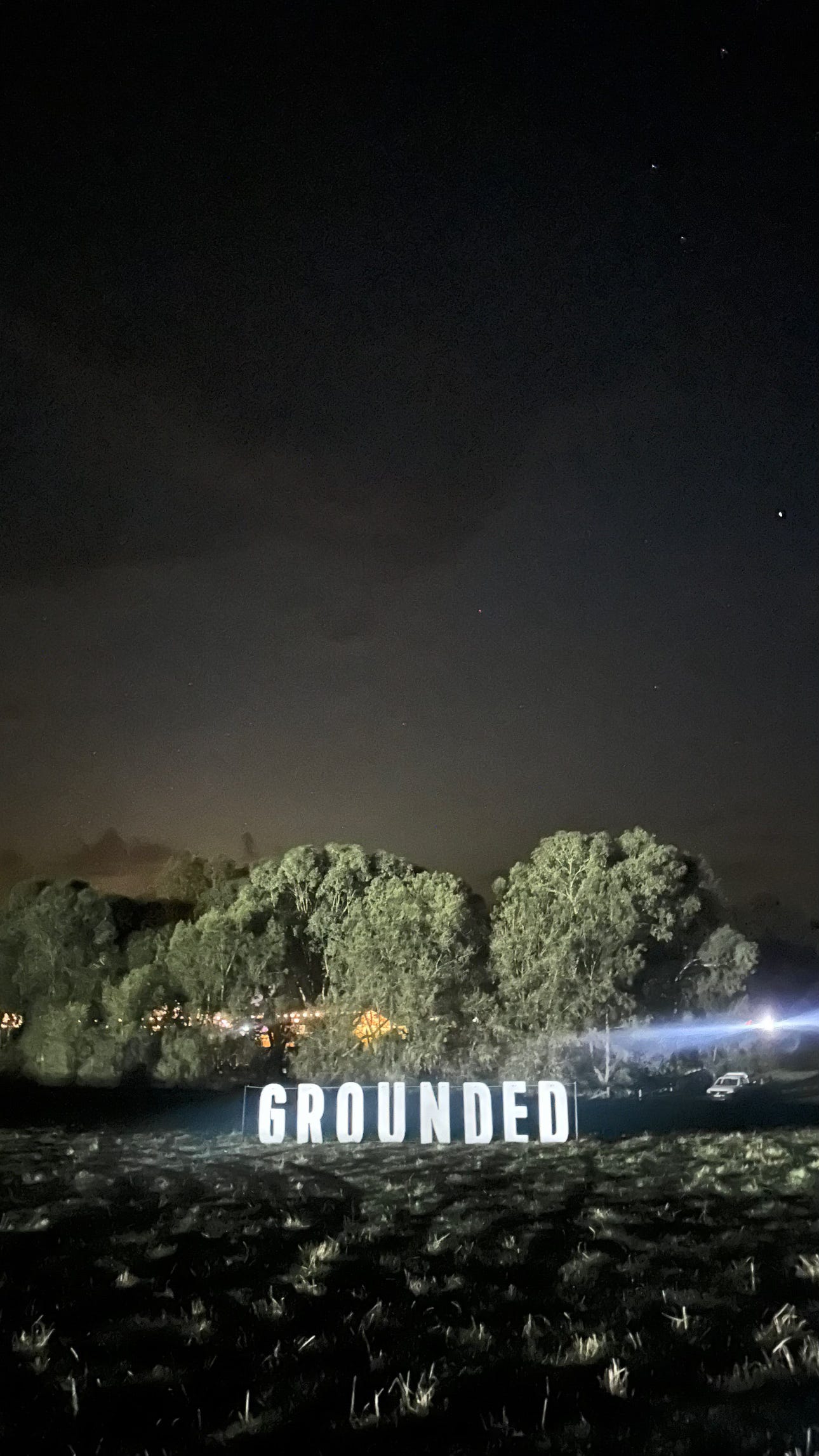
Grounded 2026
In the foothills of the Otway Ranges, Victoria, on the Stewart Family Farm Yan Yan Gurt, Grounded 2026 took place last month.
Surrounded by stunning native bushland brimming with biodiversity, open pastures led visitors along a meandering path to a Festival with a big top tent at its core.
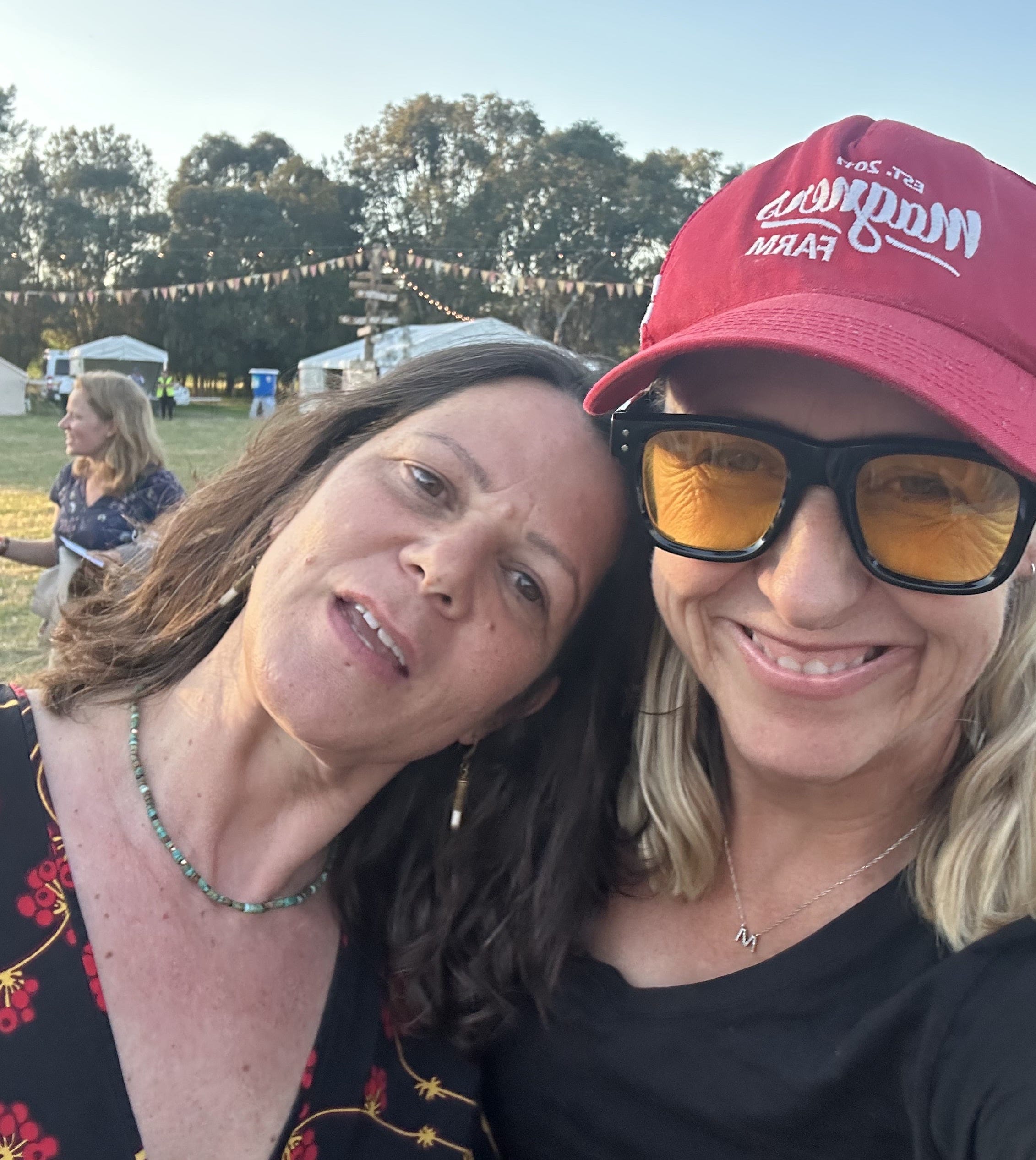
I went with a friend of mine. An outsider from California. At home in the world of multi million dollar transactions.
Soft skinned, she came with wide eyes and left with a full heart (and maybe some dirt under her nails).
Remember my sentence above?
“When you get down low, you see the tiniest of the tiny. Busily going about their business.”
That’s what Grounded feels like.
People taking action at grass roots level. (That’s soil by the way).
When we allow soil to function, so much else falls into place.
The people presenting on the stage? They’re the ones doing it.
Day in, day out. Whatever the weather. On their blocks, their farms, their backyards, their communities.
These are the people changing the system.
Small changes. Massive impacts.
Nicole Masters says that change comes from the people who start. Then patterns brought about by the early adopters bring change to the surface, others notice and the wave grows stronger. The “change” becomes mainstream, common practice.
This year’s Grounded had more people.
A wider, more diverse crowd. There were philanthropists, multinationals, corporates. Some with the scope to bring regenerative practices to a wider audience.
My highlight? Dr Steven Chen from America. The Chief Medical Officer of Alameda County Recipe4Health.
A “Food as Medicine” model that intentionally brings together health care, food systems and regenerative agriculture to improve food, nutritional insecurity, chronic conditions and health and racial inequality.
This is life changing work. Bringing regeneratively grown food to the homes of people who need it most.
Imagine being prescribed regeneratively grown food to bring you back to health. From the Farmacy.
“From little things, big things grow”
Kev Carmody and Paul Kelly.
NRAD Almanac
What struck me most at Grounded was that regeneration spreads through stories as much as science.
I’m working on an exciting project alongside the charity Carbon8 called the NRAD Almanac. An annual, showing the brilliant work being done across Australia by farms and organisations waving the regenerative agriculture banner.
We have some beautiful stories to tell and I have some inspiring interviewees lined up this week including Rachel Ward (a fantastic initiative bringing regen ag food to urban areas), Matthew Evans (Grounded - as above!), Nicole Masters (International Agroecologist and community builder), Anthony James (brilliant storyteller of regenerative life) and Rebecca Gorman (farmer and lead of the Regenerative Food and Farmers Alliance).
Do you have a great story to tell, or one you would like told?
Please get in touch with me by replying to this email.
Care
Care isn’t just about how we treat the soil. It’s about how we treat ourselves.
As a mum of four, for the first time in about 50,000 years, I had 24 hours by myself.
Both cars were out on loan to my adoring teenagers.
I cocooned in my own private retreat.
Lit the fire.
Watched Netflix on the couch.
Ate a bag of corn chips (they were organic) and ice cream for dinner.
Miraculously, we were out of washing detergent and dishwasher tabs.
I gardened. I drank my way through a gifted box of herbal teas.
Set my phone to airplane mode.
I wrote some sad poetry where I spilled my thoughts onto tear-streaked pages.
I slept for nine and a half hours.
I thought about cooking but made toast instead.
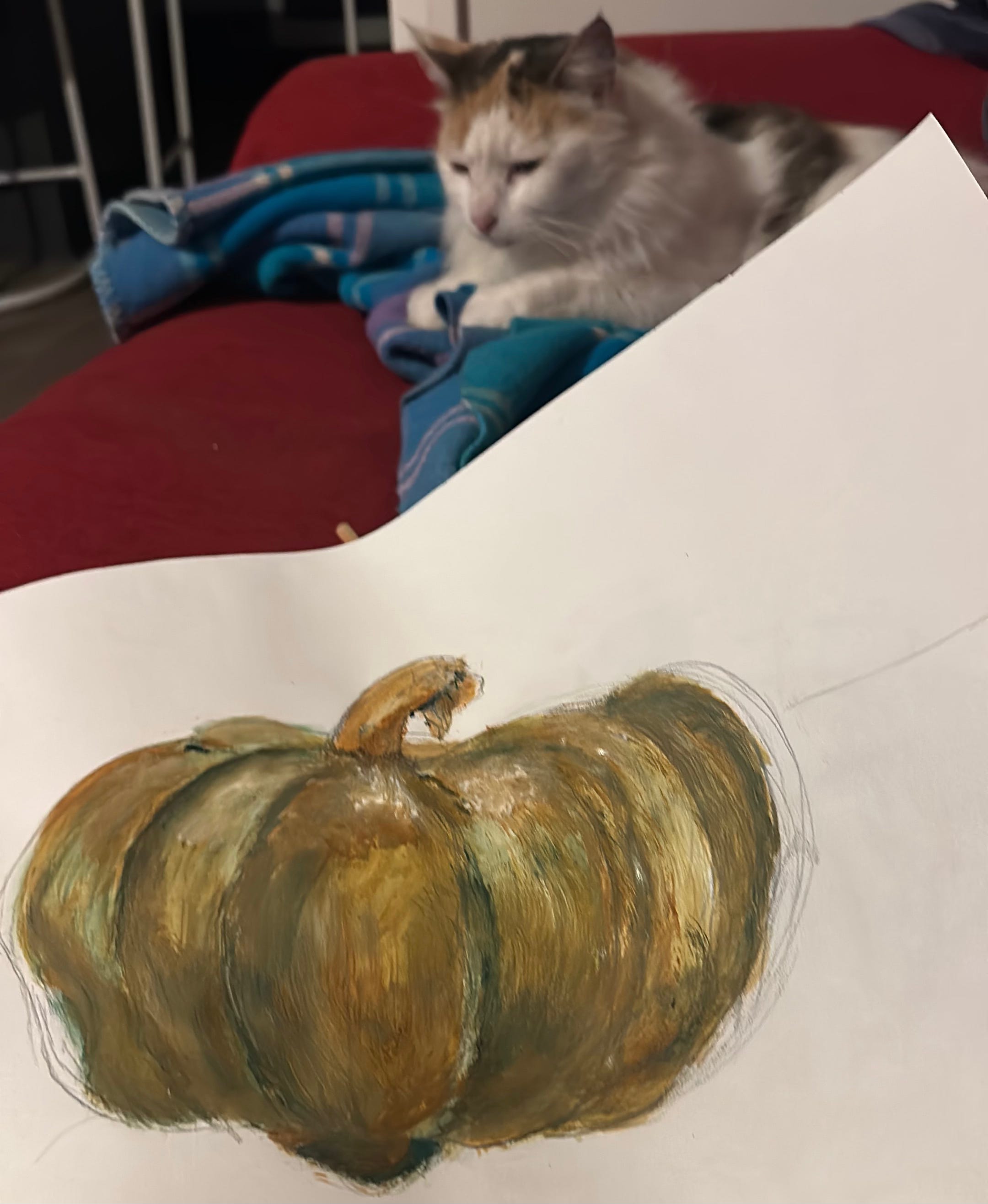
I collected my pumpkins from the garden and arranged them artistically on the verandah.
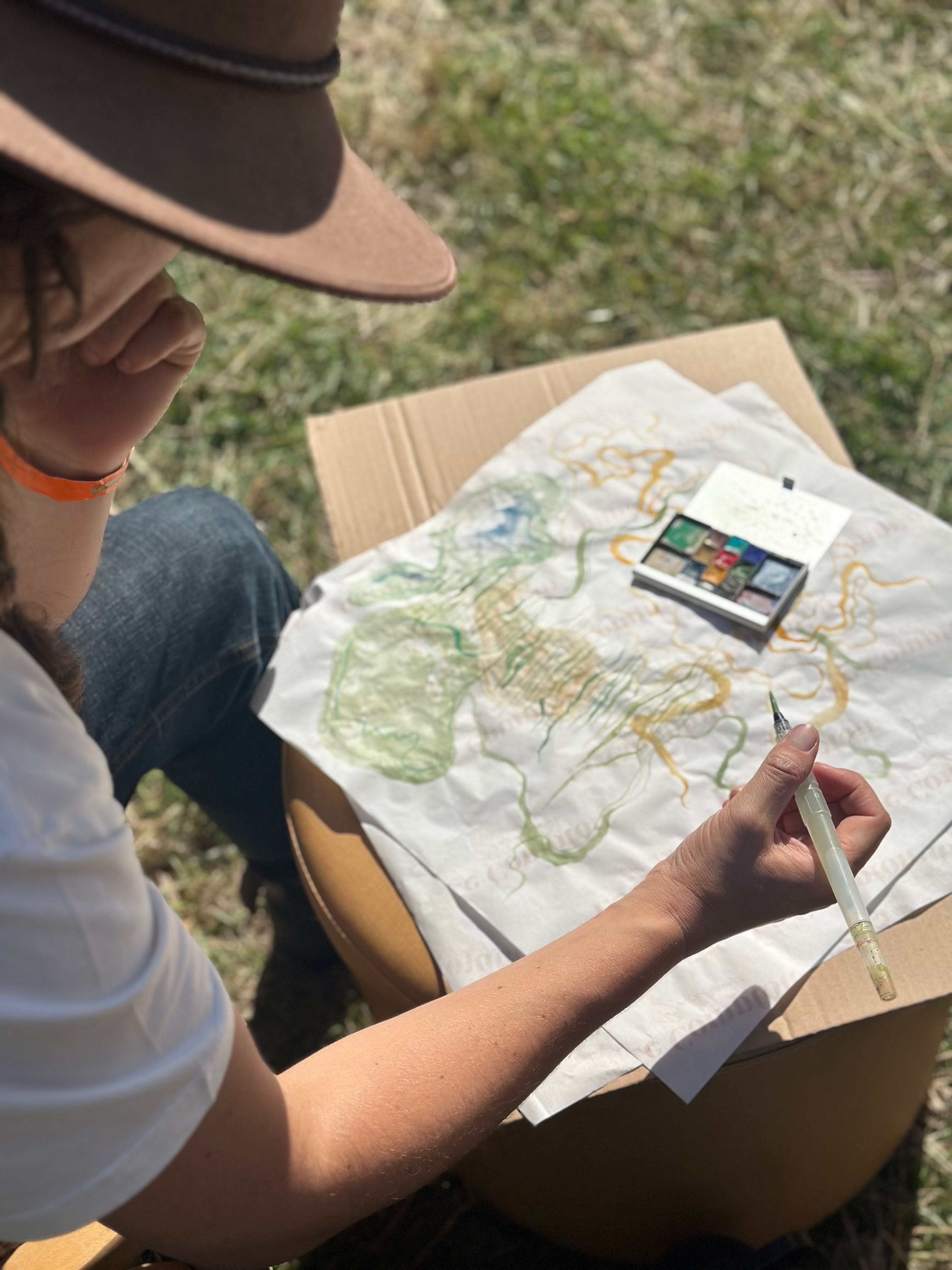
I painted the pumpkins in my sketchbook.
I stayed in my bed. The cats came and went with their aloof companionship.
It was liberating. Cleansing. It was free.
Thanks so much for reading, until next time.
Kylie x
I can't believe I have forgotten to ask you something! Do you grow Romanesco? Fall only. The finest brassica on Earth. Cashew notes with the coolest Fibonache sequence growth pattern.
Oh, things