When the Power Goes Out
On gardens, water buckets, wrens, and paying attention

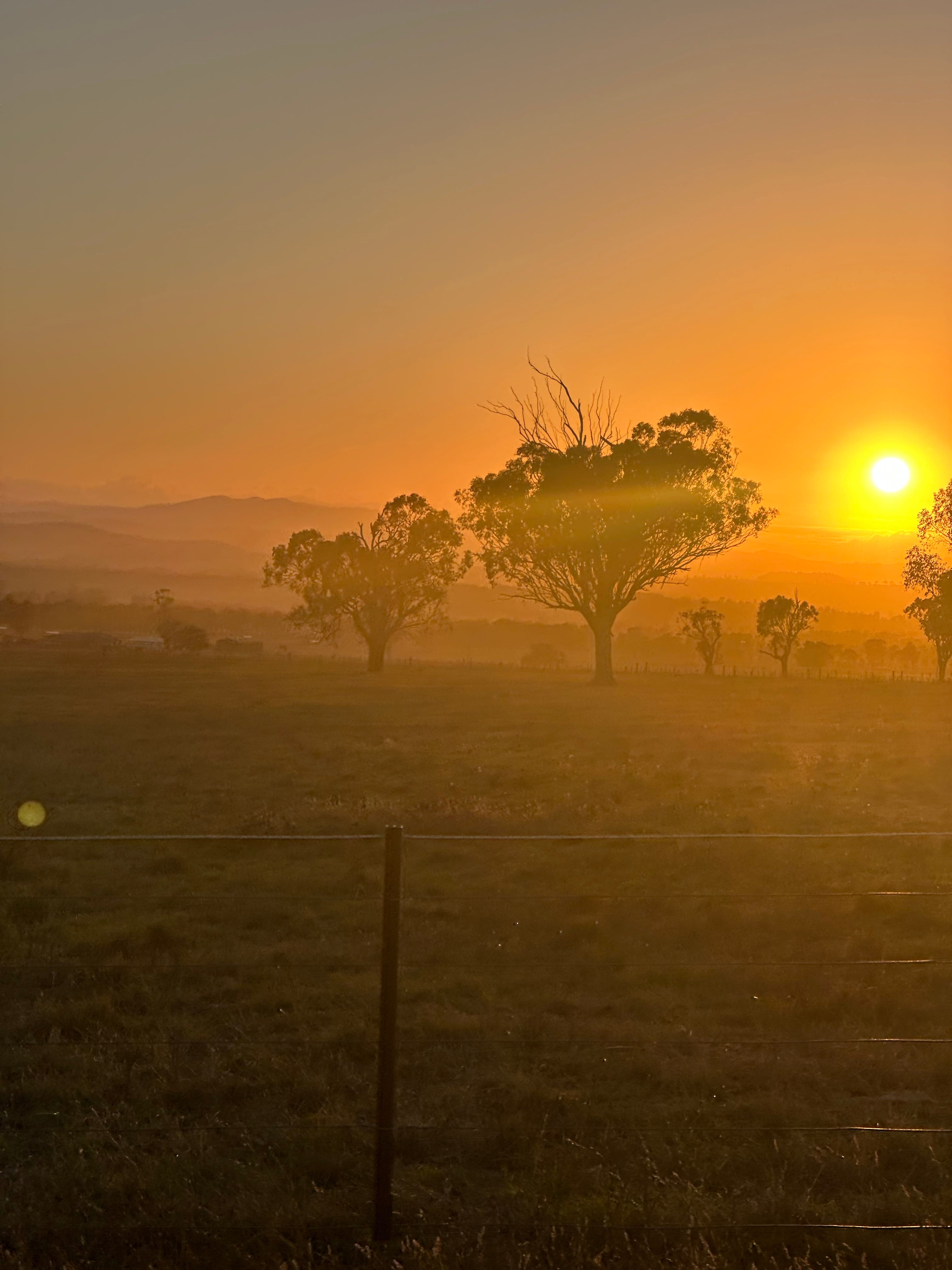
We sit on the verandah until the light fades, watching the sky turn grey, then briefly orange as the sun goes down.
It’s a shock to the system of my 17-year-old son.
He positions himself out the front of the house, seated in a very particular spot to catch the single bar of reception that graces us when Starlink is no longer operational.
And just like that, the power comes back on.
I’ve spent the afternoon in the garden. I went to the movies with a friend and had planned on heading to the gym afterwards, but the call of the garden won.
I cut the corn stalks from my early summer crop back down to the base. I don’t pull them out, I want the roots to stay in the soil, to decompose and feed the microbes.
I also don’t want to disturb the wonderful microbiology already established beneath the surface.
With my new secateurs, I cut the corn down, then chop the stalks into smaller pieces and distribute them across the garden, especially around the soaker hoses. They create a protective barrier, helping keep water in the soil.
I’m not sure which plant is attracting them, but a beautiful group of wrens has started gathering in the garden every evening.
Sweet chitter-chatter, spritely popping about the place. Tiny little birds with big voices and even bigger personalities.
They aren’t the only biodiversity the garden attracts. I’ve noticed more numbers of small grasshoppers making their homes amongst the plants. Yesterday, a small reptilian flashed across the path with a juicy grasshopper in its mouth. The circle of life.
Despite the few drops of rain that fell tonight, it’s been dry. And hot. Weeks of over 34 degrees Celsius.
Living in the country means we don’t have the luxury of town water, water that arrives whenever you turn on the tap, at the right pressure.
We’re lucky to have a constant supply from a bore on the farm, delivered by a pump, but growing up on a farm reliant on a rainwater tank has made me deeply mindful of water use.
In our kitchen sink sits a “sink tub” - a smaller tub inside the sink that catches all the water you use throughout the day (an Irish invention? I’m fairly sure it might be). I’m careful to collect as much as possible.
It’s amazing how it adds up.
You rinse a cup before placing it in the dishwasher. Wash rice stuck to a plate. Let the tap run for a few seconds before it turns cold. Put your hands close to the stream to remove a smear of Vegemite from your fingers.
Before you know it, there’s a 20-litre bucket full of water under the sink.
Except it isn’t just one bucket.
It’s three. Sometimes four. In a morning.
Out I trot to the garden. Holding back skins of rockmelon and watermelon, I pour the saved water onto the beds — growing the plants that feed our household, while saving water, energy, and money.
I’ve been spending long evenings and early mornings in the garden.
There are many things to do.
Instead of what my heart wants me to do (wander aimlessly, popping tomatoes into my mouth, pulling weeds here and there, de-leafing or de-heading), Ms Non-Chaotic Gardener steps in and makes me concentrate. One row. One plant at a time.
The results are quietly rewarding.
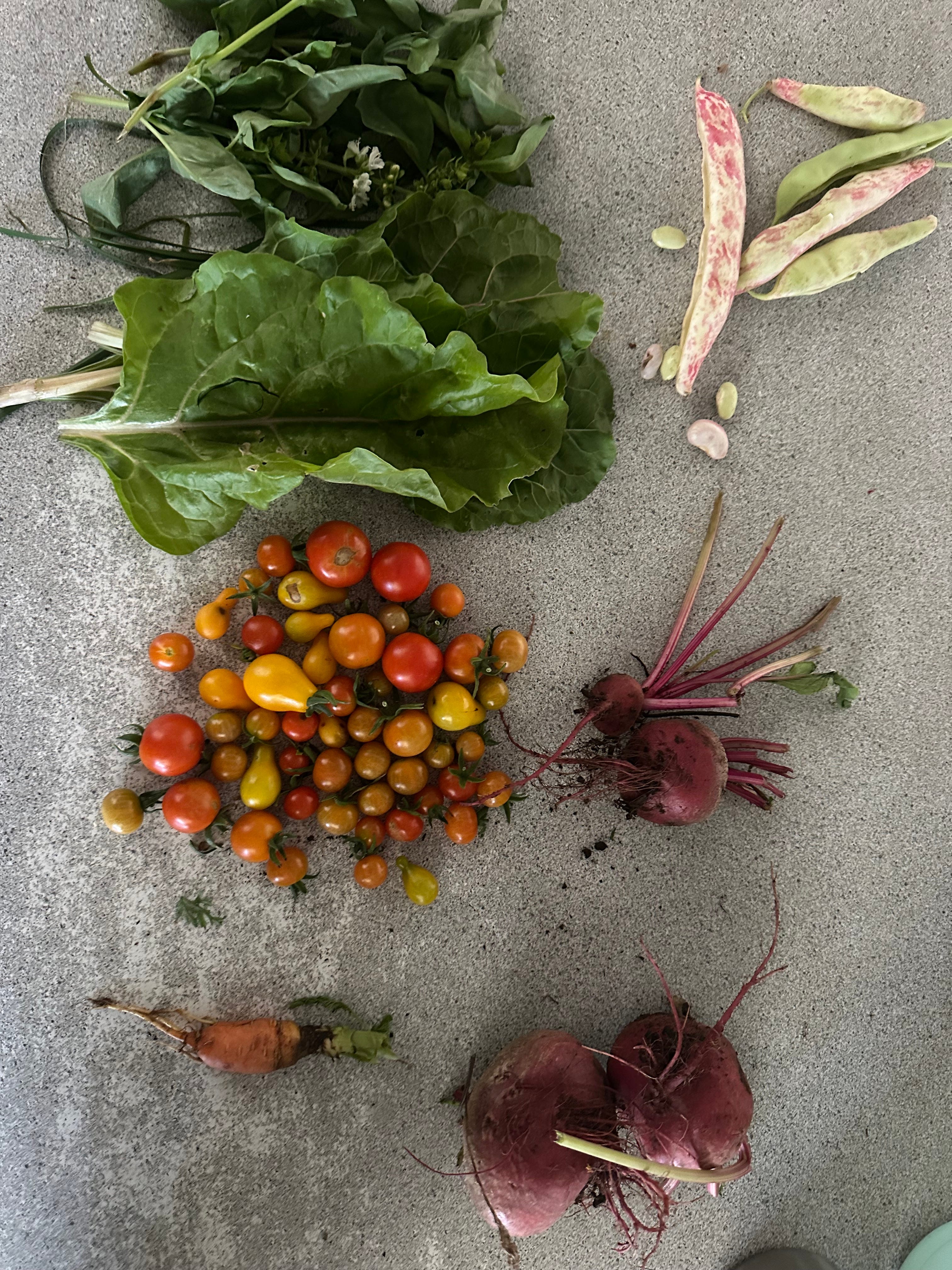
Entire tomato plants, hidden beneath sprawling zucchini and cucumber vines, pumping out mini harvests, ripe for the picking.
Gently, I disengage them from their neighbours. I strip stalks of unnecessary leaves and tie them into loose formations with cotton string for support.
I started out with stakes, but the unruly tomato plants had other ideas, spreading themselves in every direction, shoots six to eight feet long lying flat against the ground.
My only hope is that they become accustomed to their new way of life and continue to fruit.
High on the list of excitement is the success of my Lebanese cucumber crop.
If these cucumbers did originate in their namesake, it leaves me wondering if Scone has a similar climate because these guys are on fire.
(Post note: they didn’t originate in Lebanon. They came from Asia. But it’s a nice story.)
There’s a TikTok trend at the moment: viral cucumber recipes.
Various influencers slice cucumber into a lunchbox, add yoghurt or cottage cheese, soy sauce, sesame oil, red onion, salt, pepper, sriracha, garlic powder, variations upon variations.
Lid on. Shake violently.
Unlid. Hold microphone close to face. Eat cucumber appreciatively with chopsticks, crunching loudly.
Eyes closed.
“Oh my God. So good.”
Needless to say, cucumber salad is on the menu at least once a day. Thank me later, there’s about 50 calories in a massive tub.
Work on our company, Circular Organics, continues to grow (no excuse for the pun).
What I practice in my own garden is now extending into something much larger.
We work closely with hospitality businesses in Newcastle, collecting their food waste, composting it and using it to improve pasture health, growing microbes in the soil that then produce incredibly nutrient-dense food.
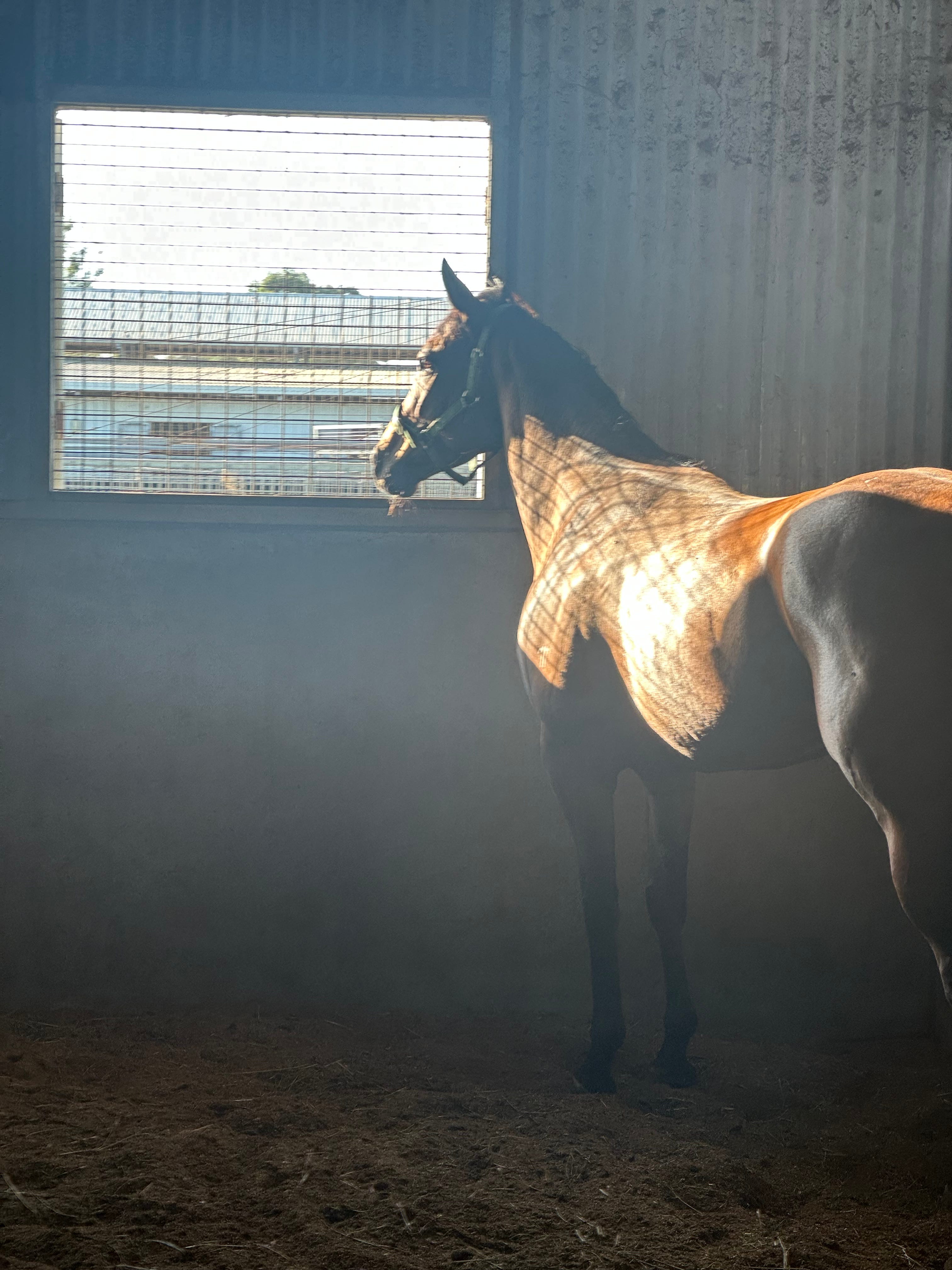
An especially exciting avenue of the business for me is the integration of stable waste.
Living in Australia’s Horse Capital, Scone, on limestone country and surrounded by some of the best thoroughbred studs in the Southern Hemisphere, we’re uniquely placed for this work.
Scone Race Club hosts Australia’s richest country race meeting, supporting a strong population of trainers located onsite. This produces hundreds of kilos of manure and stable waste, which we’re now incorporating into our compost operation.
The manure provides nitrogen; the sawdust bedding supplies the carbon needed to create balanced compost.
Eventually, this compost will return to the pastures that raise these incredible athletes. As with the human microbiome, a horse’s gut health plays a significant role in its overall wellbeing and performance.
We can’t wait to share what we’re working on next.
If you’re in the Southern Hemisphere, I hope things are cooler where you are this week.
If you’re in the North, I hope little bursts of colour are beginning to lift their heads, small signs that spring is on its way.
Kylie x
Beautifully written piece on water mindfulness. The sink tub practice catching 20 litres daily is genius, but what's underappreciated is how this creates a closed loop ecosystem. Greywater feeding soil microbes, which then attracts wrens and reptiles, proves that conervation isn't sacrifice but system design. We implimented something similiar at our place and saw biodiversity spike within weeks.
Love the stories. Your gardening and its products make me want to get going in my polytunnel. Many thanks for giving me the urge in Ireland. No shortage of water here🤭X